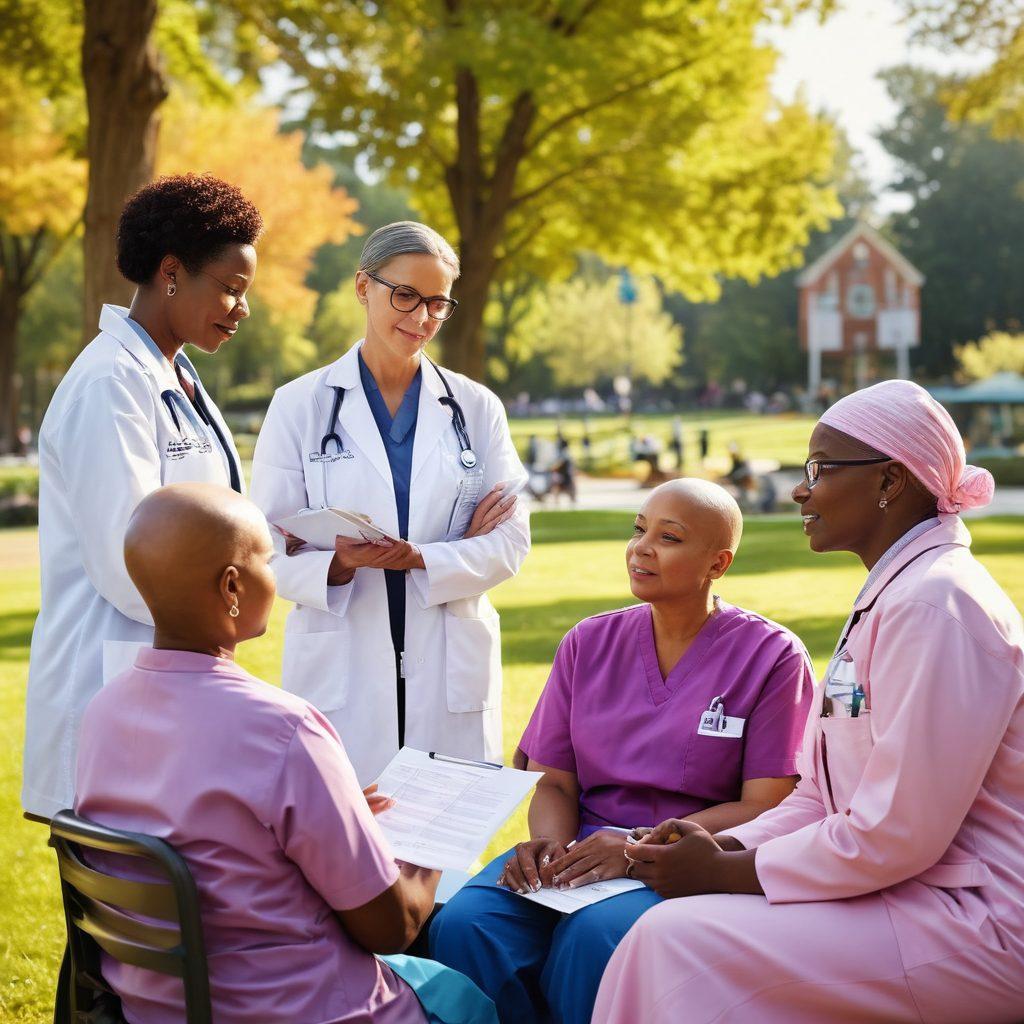
Navigating the Fight: Essential Insights and Resources for Cancer Patients and Advocates
Cancer, a word that carries a weight heavier than most, touches lives in more ways than we can imagine. Each year, millions of individuals face the daunting challenges posed by a cancer diagnosis, but with the rise of innovative oncology news and enlightening cancer updates, a glimmer of hope illuminates the path ahead. Imagine being armed not just with knowledge, but with the tools and resources necessary to navigate this fight. This empowerment, fueled by ongoing cancer education and robust cancer advocacy efforts, creates opportunities for patients to reclaim their narratives.
Staying informed is crucial, especially when it comes to the ever-evolving landscape of cancer care. Integrating the latest in tumor research can be a game changer. With advancements like immunotherapy and personalized radiation therapy, patients are not only finding new treatment options but also breaking free from the conventional limits of chemotherapy. But how do we as advocates ensure that this vital information reaches those who need it most? The answer lies in bridging gaps through health information, reliable cancer resources, and vibrant patient support systems that uplift and empower cancer warriors.
Consider this: what if every patient had access to up-to-date cancer updates and statistics that pertain to their specific diagnosis? This could alter the trajectory of survivorship for countless individuals. Staying proactive about one's health using trustworthy wellness blogs, joining support groups, and participating in clinical trials can drive awareness of risk factors that may have otherwise gone unnoticed. As one survivor poignantly stated, "Knowledge is freedom; it is the best armor against the uncertainties of cancer." This highlights the critical role of knowledge in the healing process — be it through understanding treatment options or knowing whom to reach out to for emotional support.
As we dissect the layers of cancer care, let’s not forget the essential aspect of palliative care, designed not just for those in treatment but also for those at various stages of their journey. It’s about quality of life amidst the struggle. Empowering patients means creating spaces where they can express their fears, hopes, and aspirations without judgment. How do we foster these conversations? Engaging local communities and sharing compelling cancer stories can ignite a fire of empathy and action, encouraging individuals to open up and share their own experiences.
Ultimately, navigating the complexity of a cancer diagnosis demands a multi-faceted approach — one that includes education, community, and continuous advocacy. With the latest oncology news circulating, every patient is on the verge of living not just with cancer but thriving despite it. Whether you're a patient or an advocate, remember that you are not alone in this journey. Leverage these cancer resources, participate in support groups, and never hesitate to seize opportunities to educate yourself and others. Because in the words of Richard M. Schulze, "The greatest gift you can give to others is the gift of unconditional love and acceptance." Your journey can inspire resilience in others, making the fight a little less lonely for everyone.
Comprehensive Resources for Navigating Cancer Care and Advocacy
When someone receives a cancer diagnosis, the world often feels as though it has been turned upside down. Suddenly, the terms oncology news and cancer updates flood into conversations, leaving those affected struggling to comprehend what the future holds. But don't worry; you are not alone in this. Navigating cancer care and advocacy is no easy feat, yet understanding the comprehensive resources available can illuminate a path through challenges. What if I told you that learning about cancer education and support could empower you on this journey?
Imagine standing on a cliff where you can either plunge into the depths of fear or choose to embrace knowledge as your parachute. This is where cancer resources come into play. From exploring patient support services to understanding treatment options like chemotherapy, immunotherapy, and radiation therapy, each resource adds more to your toolkit. Did you know there are statistics and findings from cutting-edge tumor research that highlight advancements in cancer care? Staying informed about these can help you make educated decisions about your treatment and future. When faced with difficult choices, can you picture yourself exploring clinical trials that offer new hope? It’s essential to consider every potential canyon to traverse on your journey.
While it’s vital to learn about the clinical side of things, taking care of one’s emotional well-being is equally paramount. Living with cancer can feel isolating, but numerous support groups exist, creating a community of solidarity among individuals facing similar struggles. In those moments of uncertainty, would it bring you comfort to talk to others who have embraced this shared experience? They can provide immediate insights and motivation, reminding you that advocacy is a powerful tool and that you can be an active participant in your care.
Health awareness goes hand in hand with education about risk factors and wellness blog topics that support the overall patient experience. As patients and advocates, staying vigilant and proactive can substantially change the course of treatment. Are you familiar with palliative care? It can drastically improve quality of life by addressing the emotional, social, and spiritual needs of patients, ensuring that they not only fight the illness, but also live with resilience and purpose.
Finally, survivorship isn’t just a conclusion to a cancer battle; it’s an ongoing journey, often filled with lessons and newfound wisdom. Engaging with a community that grows from learning about the realities of living with cancer can be beneficial long after treatment has ended. As you look toward the future, remember that the knowledge and insights gained along the way are powerful. So, how can we ensure that we not only survive but thrive? It starts with accessing these essential resources and advocating for ourselves and others in our community. Together, let’s become beacons of hope and strength.
Understanding Cancer: Insights on Treatment Options and Support Systems
When faced with a cancer diagnosis, the world may feel like it has turned upside down. But understanding cancer—its treatment options and support systems—can be the proverbial light at the end of the tunnel. Imagine navigating a vast ocean with just a flickering lighthouse guiding you home. This blog promises to be that beacon, offering essential insights that will illuminate your path towards more informed decisions regarding cancer care. So, let's embark on this journey together, discovering vital information about oncology news, treatment modalities, and the importance of patient support.
Understanding cancer treatment options can feel overwhelming, especially when faced with medical jargon and intricate pathways. Have you ever found yourself confused by the differences between chemotherapy, radiation therapy, and immunotherapy? You're not alone. These powerful tools in the fight against cancer come with their own set of benefits and drawbacks. For instance, while chemotherapy harnesses the potency of drugs to target rapidly dividing cells, immunotherapy employs the body’s own immune system to combat cancer. By embracing cancer education, you can better grasp these options and embark on a meaningful conversation with your healthcare team, ensuring you choose what is right for your unique situation.
Data speaks volumes in the world of medicine. Did you know that nearly 1 in 2 men and 1 in 3 women will be diagnosed with cancer in their lifetime? With these cancer statistics at the forefront of our minds, it becomes even more vital to stay informed through reliable cancer resources and advocacy. Organizations and support groups offer not just numbers, but real-life implications of these figures, acting as safety nets for those grappling with a cancer journey. The sense of community available to cancer patients can be a game-changer, alleviating feelings of isolation by connecting individuals who share similar experiences.
Equipping yourself with health information also means acknowledging the importance of palliative care and survivorship programs. Palliative care goes beyond simply managing pain—it's about enhancing the quality of life for patients, no matter the stage of their journey. As one survivor put it, ‘It’s not just about living; it’s about thriving.’ With advancements in clinical trials, more options for treatment and management of side effects are becoming available. This evolution in cancer care reinforces the necessity of keeping up with the most recent cancer updates and research, paving the way for new hope and opportunities for healing.
Finally, the power of support should never be underestimated when living with cancer. Whether you turn to family, friends, or carefully chosen support groups, being surrounded by those who understand your struggles can bring solace. As we discuss the intricacies of wellness blogs and health awareness, remember that your journey is uniquely yours. Embrace the resources and stories around you, and don’t shy away from reaching out. Just like the varied treatments in oncology, every patient’s path may differ, and understanding that can be your greatest strength.